ONE PIECE OF THE PICTURE / Creative
Tiny Glade
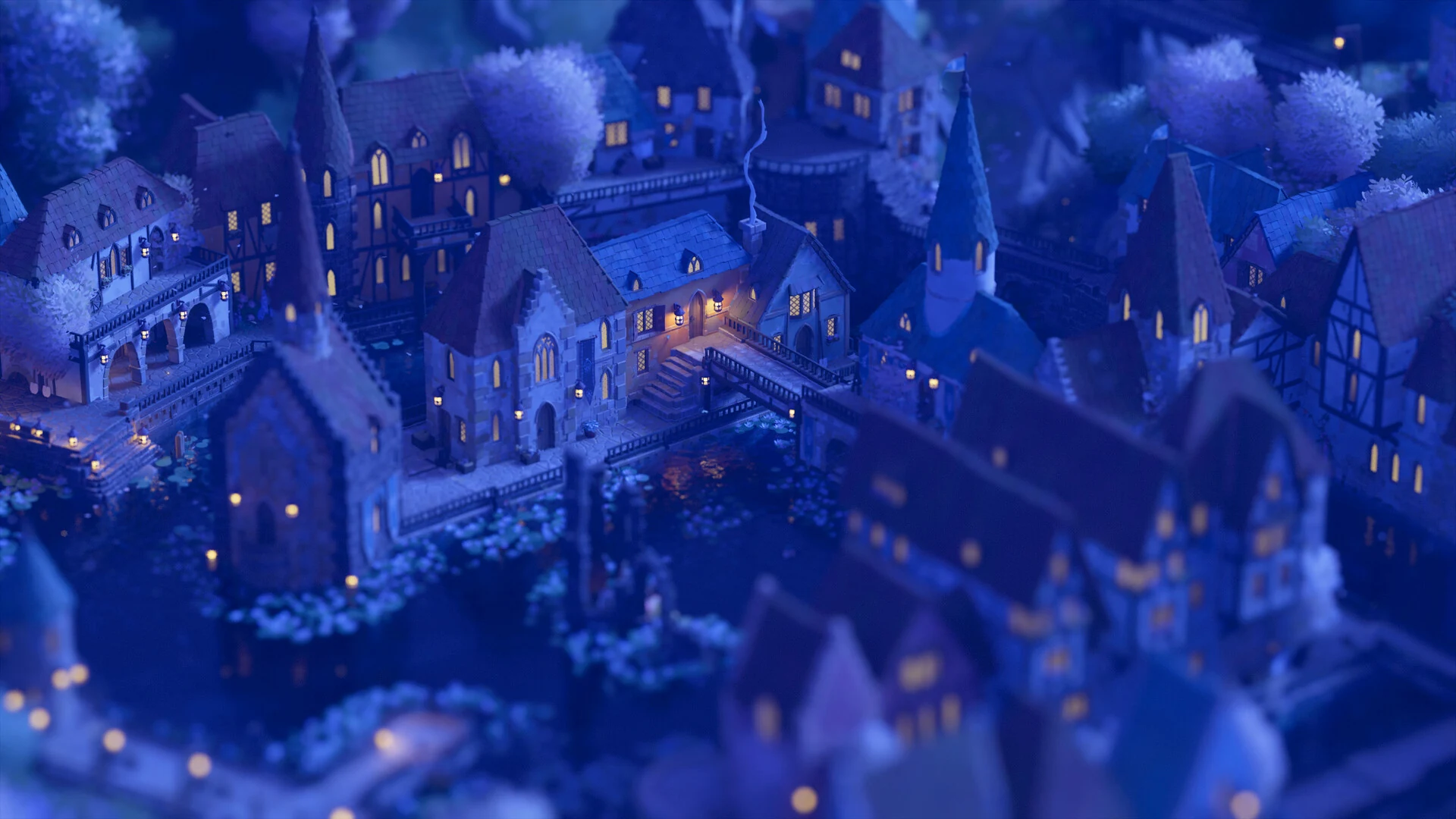
Tiny Glade offers the pleasure of shaping a place without first earning the resources to build it. Its responsive details make small adjustments rewarding, provided you are happy to supply your own purpose.
Game facts
- Developer
- Pounce Light
- Publisher
- Pounce Light
- Released
- 23 September 2024
- Platforms
- Windows · macOS · Linux (Steam edition)
- Model
- Paid game
- PEGI
- Not listed on Steam
- Players
- Single-player
- Length
- Short
- Difficulty
- 1 / 5 · Gentle
- Steam Deck
- Verified
PEGI source ↗ · Steam Deck status source ↗
Edition: Base game
The score, explained
The interest and responsiveness of the core decisions and actions.
How progression, exploration and goals fit together.
The coherence of the visual, musical and narrative presentation.
How clearly the game explains its rules and offers useful ways to engage.
The depth of optional goals, alternative approaches and reasons to return.
The First Hours
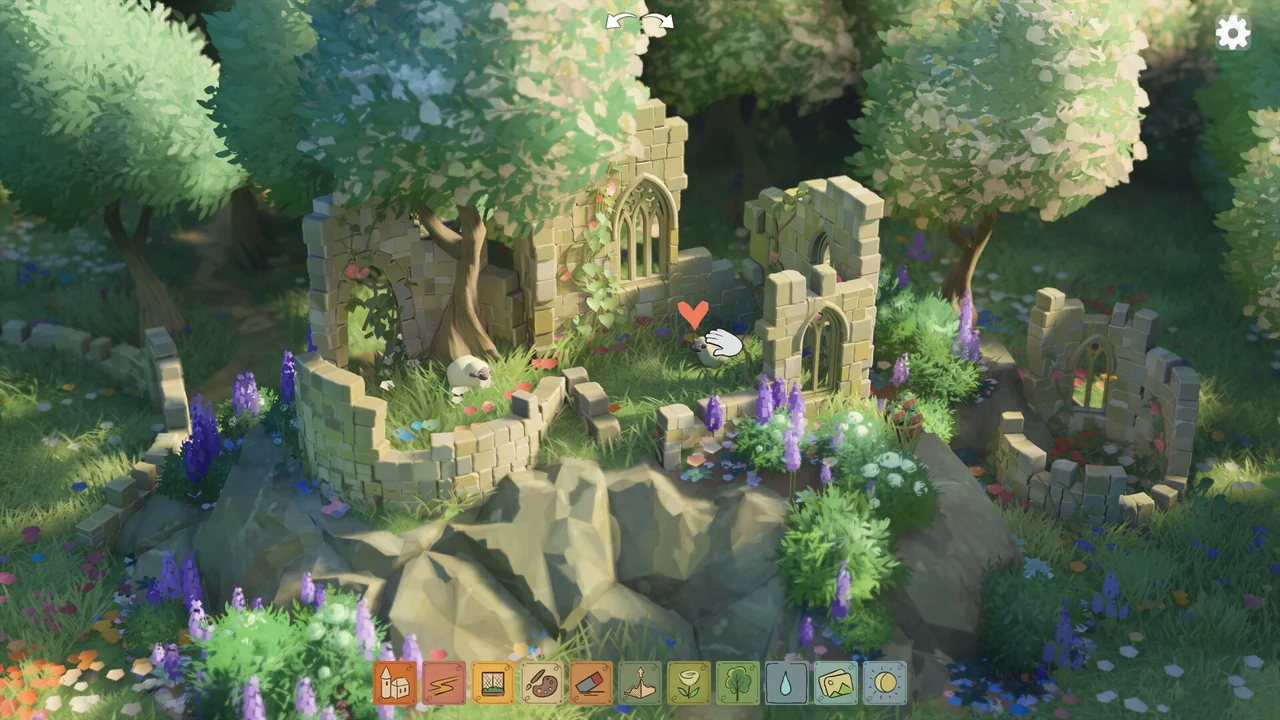
Tiny Glade removes a familiar opening requirement from building games: you do not need to establish an economy before making something attractive. Walls, paths and structures can be adjusted directly, with the scene responding through details that help them belong together. The first pleasure is therefore experimentation. A small change in shape or position can produce an arrangement worth keeping, and a failed idea can be revised without recovering a depleted resource stock. This establishes the game's actual activity more clearly than a long tutorial could. You are composing a miniature place, not managing the survival of its inhabitants. The opening works best when you approach a tool with a visual question, try an adjustment and look closely at the result before deciding what the scene needs next.
Why It Works
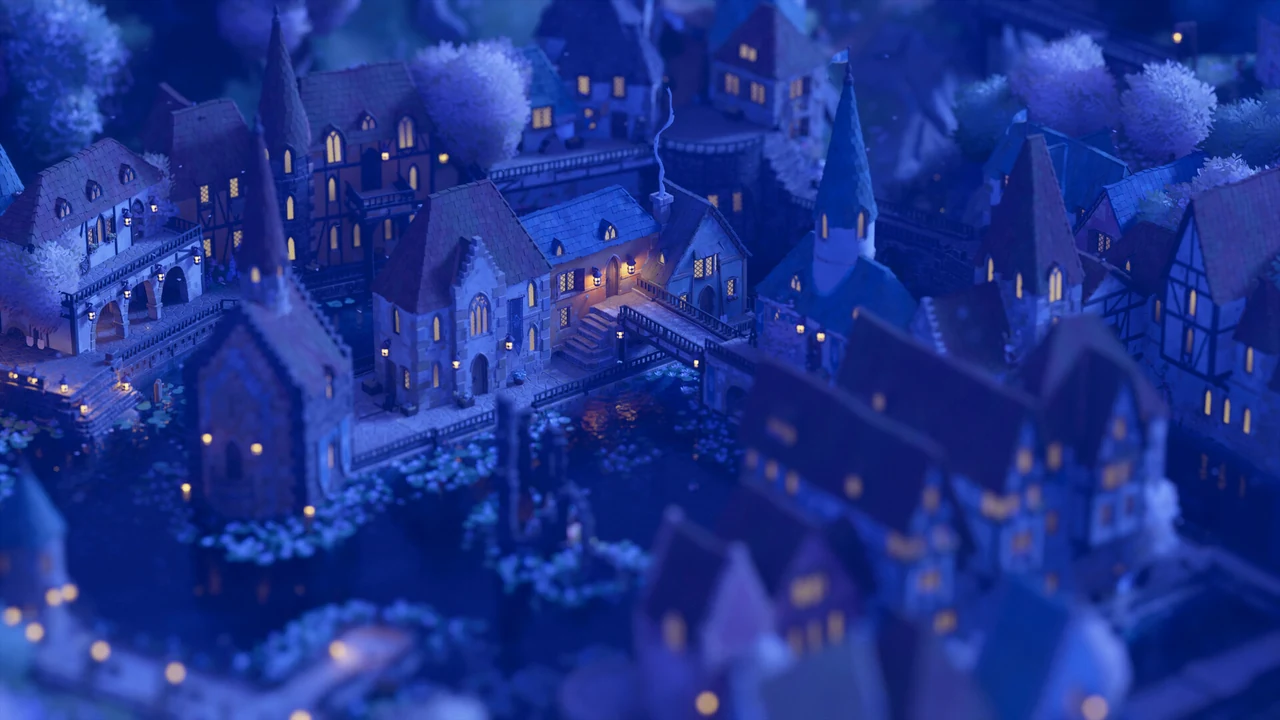
Tiny Glade's responsive details make the distance between intention and result pleasantly short. You can concentrate on a silhouette, an approach to a building or the relationship between a wall and a path while the system supplies many of the small touches that make the scene convincing. That cooperation encourages experimentation without making every outcome feel identical. The toolset is constrained enough to develop a recognisable visual character, yet flexible enough for different arrangements within it. The absence of a scoring demand is also meaningful. You can keep an impractical corner because it looks inviting, or revise a successful structure simply because another idea appeals. The game values the act of composition, allowing the reward to be visible in the scene rather than deferred to a completed objective list.
Where It Stumbles
Removing external pressure also removes a ready answer to the question of what to do next. Tiny Glade does not supply the expanding demands of a population, a production chain or a competitive score to keep a session moving. If you enjoy construction mainly as a solution to strategic problems, the freedom may feel less substantial than expected. Its visual identity also comes from a particular range of miniature architectural tools, so it is not a universal modelling package for every imagined project. The pleasing automated responses can sometimes differ from the precise detail you had in mind. These are reasonable boundaries for a playful builder, but they should be part of the choice. The game provides a responsive medium; sustaining an interesting project remains largely your responsibility.
Who Should Play It
Choose Tiny Glade when you want to make something attractive without turning the process into administration. It suits players who enjoy experimenting with shapes, revisiting a corner and stopping because a scene feels complete rather than because a mission announces success. That makes it a useful alternative to the campaigns and skill tests elsewhere in this selection. The freedom is also its main condition: you should be comfortable inventing a small purpose for yourself. If arranging landscapes appeals but you still want rules to push against, Dorfromantik offers a clearer puzzle structure. If you want citizens and services, a city simulation is closer to the mark. Tiny Glade is most satisfying when the desired outcome is simply a place you enjoyed bringing into view.
The verdict
Tiny Glade offers the pleasure of shaping a place without first earning the resources to build it. Its responsive details make small adjustments rewarding, provided you are happy to supply your own purpose.
Reasons to play
- Building tools respond with pleasing architectural details
- Immediate changes encourage playful experimentation
- No economy interrupts the act of shaping a scene
Reasons to think twice
- External goals and strategic pressure are absent
- The toolset favours its particular miniature-building style
See the game
Assist & accessibility
Parents’ guide
Players: Single-player. No in-game purchase marker in the checked Steam listing. Separate downloadable content may be sold.
Age classification: Not listed on Steam.
A useful starting tip
Try running a path through an existing structure, then change its height to see how the building system adapts the details.
A different direction
Compare this with Dorfromantik: Dorfromantik turns a peaceful landscape into a chain of small spatial commitments. Its charm comes from choosing how much optimisation you want to bring to a world that remains pleasant to arrange.
Official sources
Reviewed: November 2026
You might also like
 HadesRead review →
 CelesteRead review →
 Dead CellsRead review →