ONE PIECE OF THE PICTURE / Roguelike
Hades
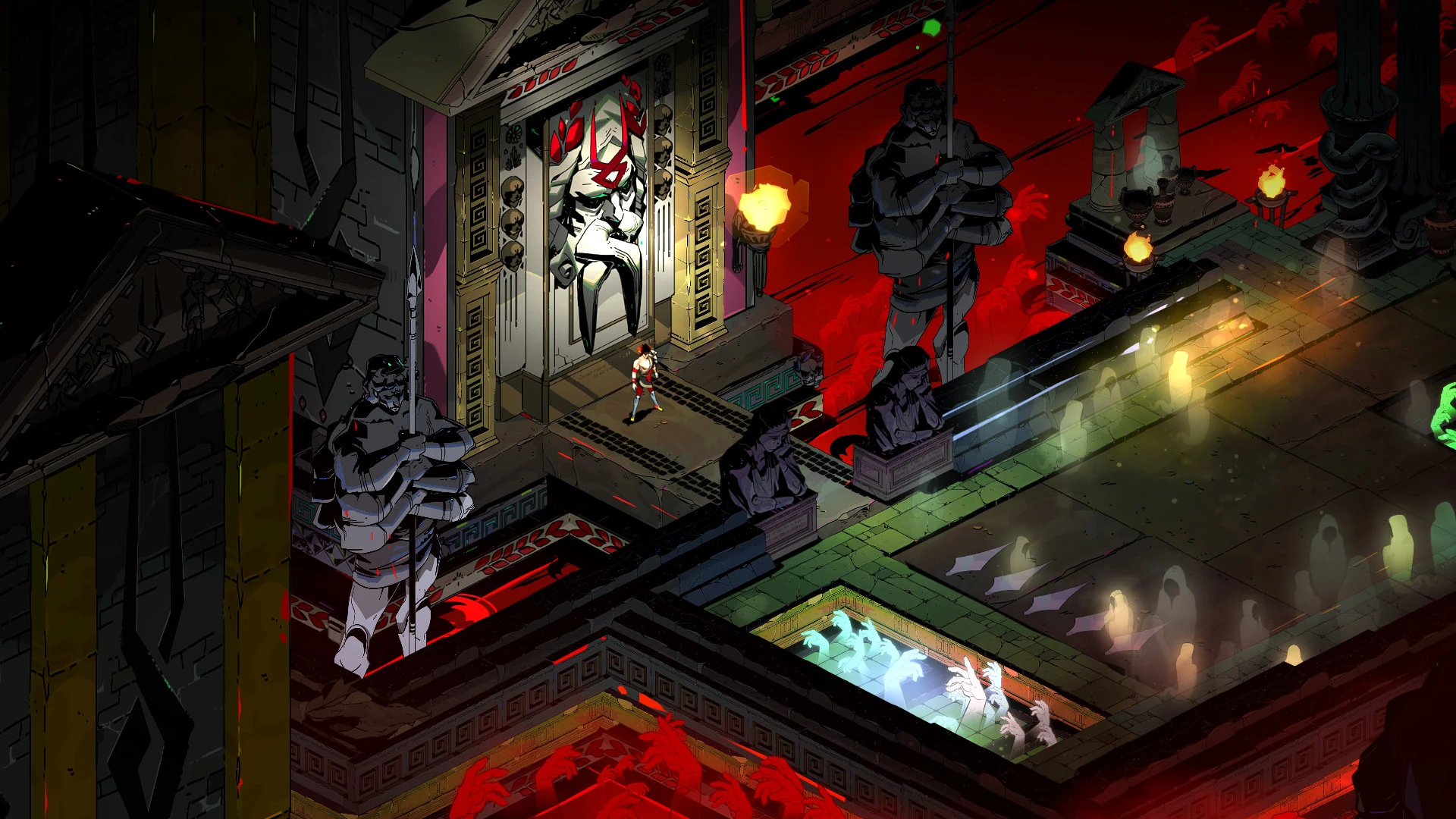
Hades joins quick combat decisions to a welcoming rhythm of return, conversation and another attempt. Its strongest reward is discovering a build that changes how a familiar weapon behaves.
Game facts
- Developer
- Supergiant Games
- Publisher
- Supergiant Games
- Released
- 17 September 2020
- Platforms
- Windows · macOS (Steam edition)
- Model
- Paid game
- PEGI
- 12 — Nintendo Switch edition; not a separate PC classification
- Players
- Single-player
- Length
- Medium
- Difficulty
- 4 / 5 · Challenging
- Steam Deck
- Verified
PEGI source ↗ · Steam Deck status source ↗
Edition: Base game
The score, explained
The interest and responsiveness of the core decisions and actions.
How progression, exploration and goals fit together.
The coherence of the visual, musical and narrative presentation.
How clearly the game explains its rules and offers useful ways to engage.
The depth of optional goals, alternative approaches and reasons to return.
The First Hours
Hades makes choosing the next room almost as enticing as clearing the current one. Zagreus begins with a limited set of attacks, a dash and an urgent reason to use both. Chambers then offer rewards that point towards different priorities: immediate strength, a particular god's boons or resources with a longer purpose. This keeps an attempt from feeling like one uninterrupted test of reflexes. The pauses matter because they let you decide what kind of fighter is taking shape. Returning to the House of Hades adds conversations and preparations to that rhythm. Failure changes the activity instead of merely erasing the previous stretch, making the opening especially inviting for players who enjoy action but want something beyond a victory screen to anticipate.
Why It Works
The interesting decisions arise when a reward contradicts your original plan. A boon might make a previously neglected attack worth building around, or give your dash an offensive role that encourages closer movement. Weapons supply distinct foundations, so a setup that suits a bow does not automatically fit a shield. Crucially, these choices remain physical: their value appears in spacing, timing and the enemies you can safely approach. The Mirror provides persistent development without replacing the importance of those decisions inside an attempt. Meanwhile, the returning cast gives repetition a social shape. Familiar rooms and familiar faces serve different purposes, with combat inviting optimisation and conversation rewarding another visit even when an escape ends early. That combination sustains curiosity across a deliberately recurring structure.
Where It Stumbles
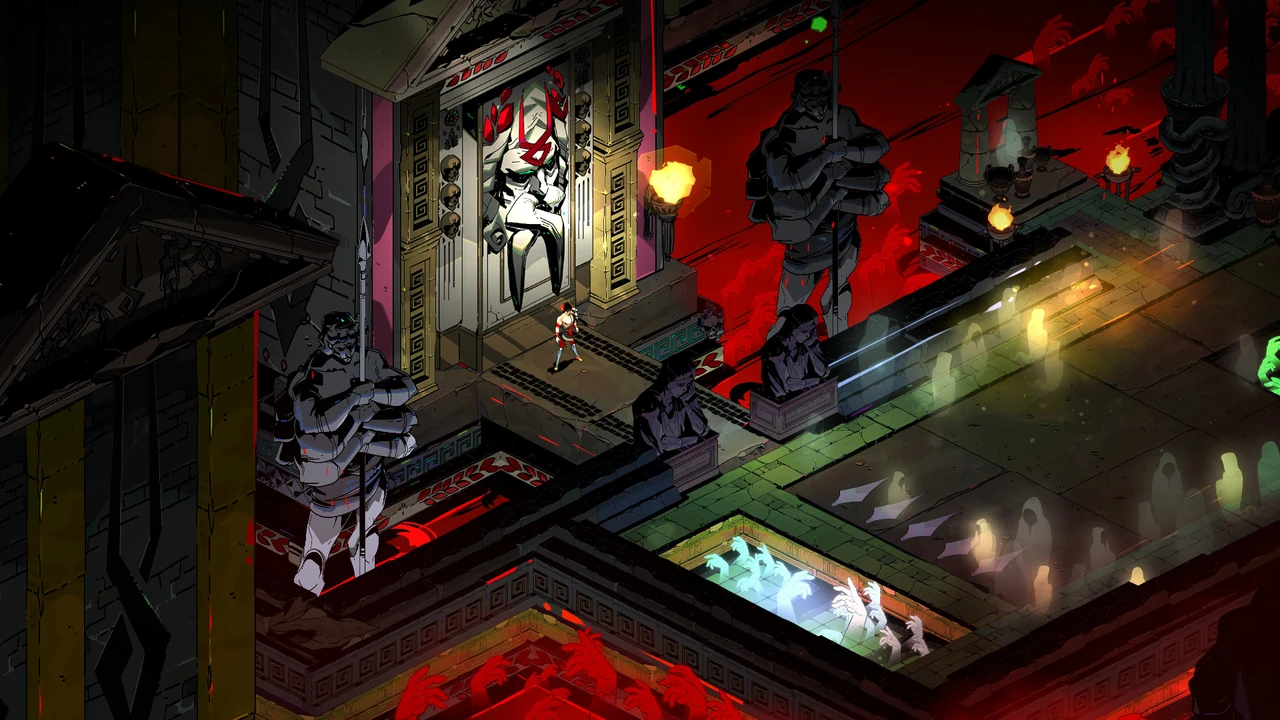
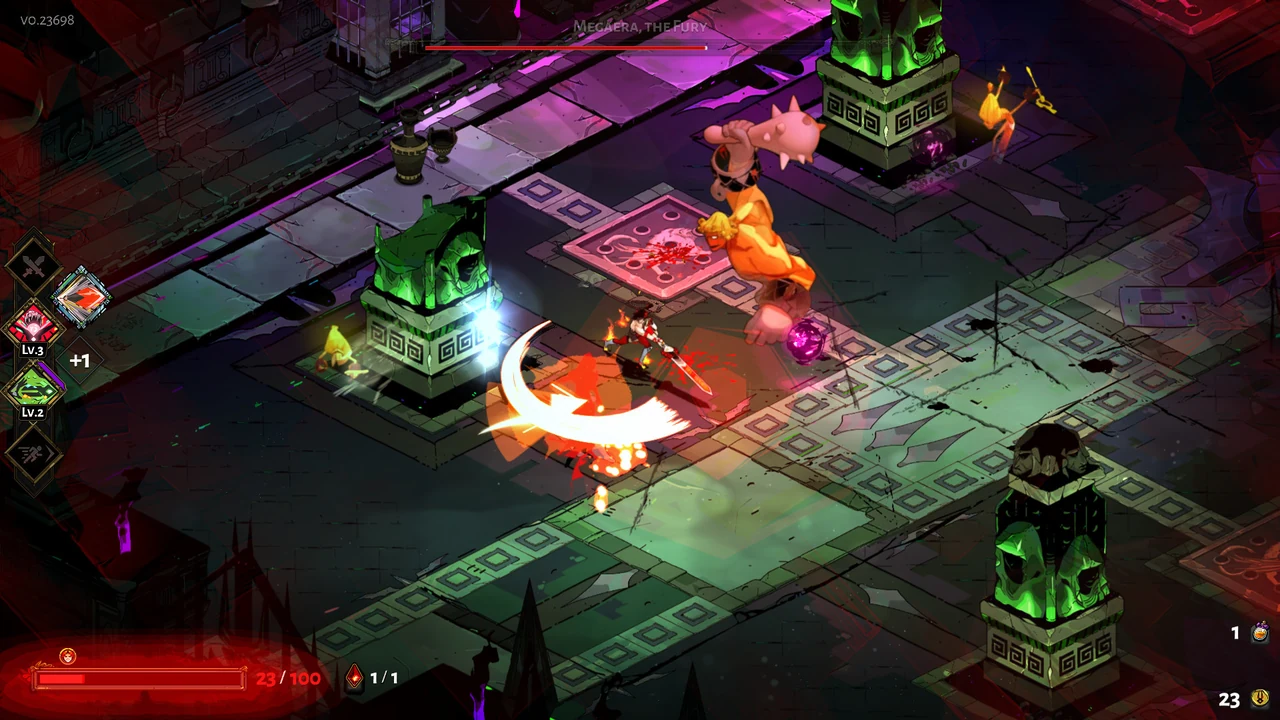
Variety does not remove the need to revisit enemies and environments. If repeating a route already feels like a cost rather than an invitation to improve, the dialogue and changing rewards may only partly soften it. Combat also gets visually crowded when several effects overlap, making some encounters harder to read than the clean character silhouettes suggest. The available rewards can steer a promising plan away from the combinations you hoped to assemble. That uncertainty is central to the game, but it can frustrate players who prefer complete control over a build. Finally, story developments unfold around repeated returns. Someone approaching Hades mainly for a continuous narrative must accept action attempts as the connective tissue rather than occasional interruptions between major scenes.
Who Should Play It
Choose Hades when you want quick decisions to carry consequences beyond the current fight. It is particularly effective for players who enjoy experimenting with equipment but find menus alone an unsatisfying place to discover a build's personality. The action gives each change immediate expression, while the House makes returning feel like part of the adventure. Compared with a focused platforming challenge, the difficulty comes with more uncertainty about the tools you will receive. Compared with a sprawling role-playing campaign, it concentrates that experimentation into a repeatable route. You still need an appetite for repeated attempts and active combat. With those expectations in place, Hades offers a convincing balance between the pleasure of getting better and the pleasure of seeing what happens next.
The verdict
Hades joins quick combat decisions to a welcoming rhythm of return, conversation and another attempt. Its strongest reward is discovering a build that changes how a familiar weapon behaves.
Reasons to play
- Boons turn familiar attacks into different tactical choices
- The House gives failed attempts a useful aftermath
- Weapon selection changes the feel of the whole journey
Reasons to think twice
- Repeated routes remain central to progress
- Busy effects can compete with enemy cues
See the game
Assist & accessibility
Parents’ guide
Players: Single-player. No in-game purchase marker in the checked Steam listing. Separate downloadable content may be sold.
Age classification: 12. Nintendo Switch edition; not a separate PC classification
A useful starting tip
Choose boons that support the weapon and effects already defining the run, rather than treating each offered power as an isolated upgrade.
A different direction
Compare this with Dead Cells: Dead Cells offers restless, equipment-driven action in which committing to an unfamiliar weapon can be as exciting as finding a stronger one. Its repeated runs favour appetite for experimentation over attachment to a single route.
Official sources
Reviewed: November 2026
You might also like
 CelesteRead review →
 Dead CellsRead review →
 DorfromantikRead review →