ONE PIECE OF THE PICTURE / Narrative
Pentiment
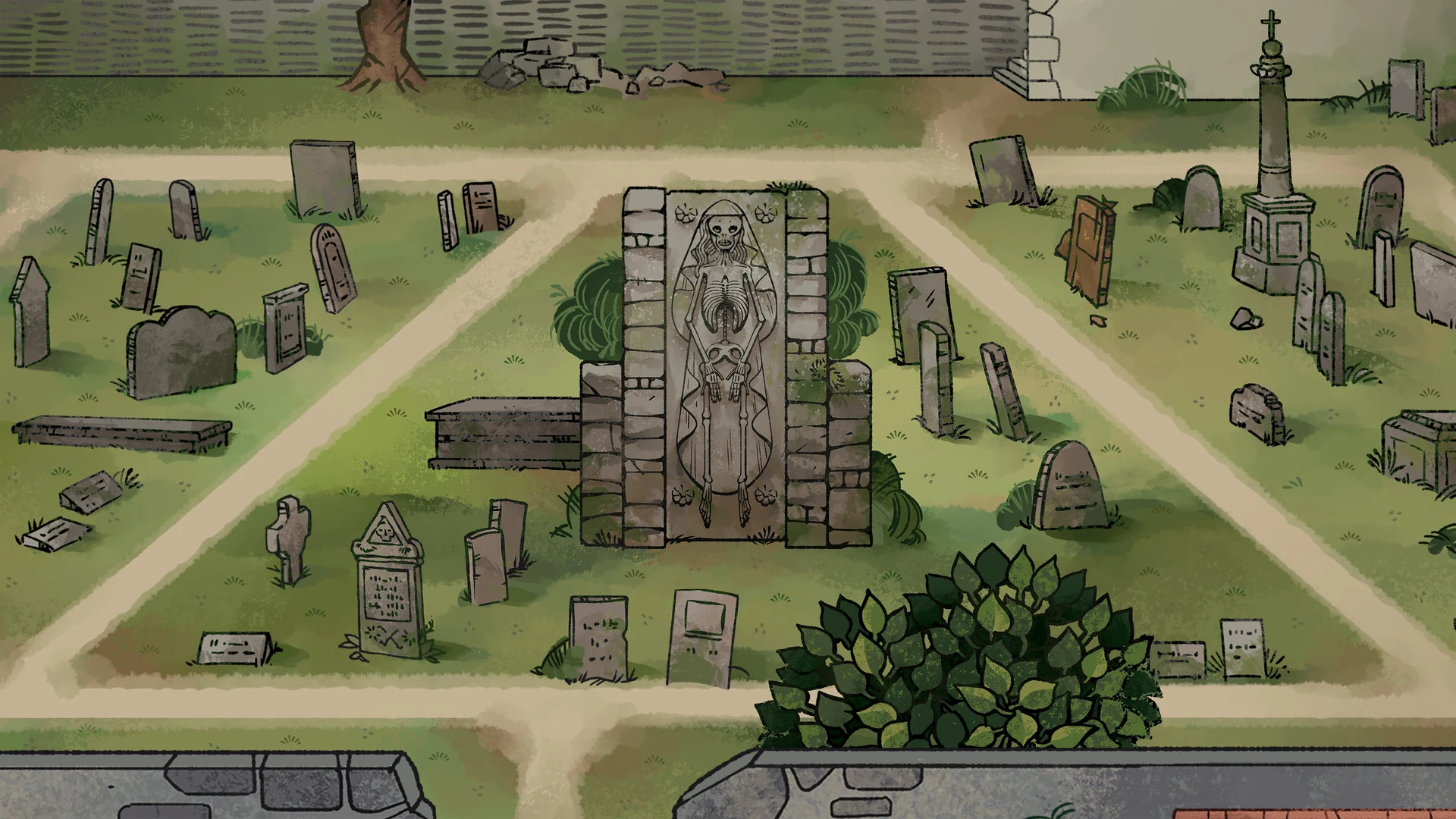
Pentiment makes conversation a consequential activity by limiting whose account you can hear and when you can hear it. The strongest mystery is how a community turns incomplete knowledge into a lasting judgement.
Game facts
- Developer
- Obsidian Entertainment
- Publisher
- Xbox Game Studios
- Released
- 14 November 2022
- Platforms
- Windows (Steam edition)
- Model
- Paid game
- PEGI
- 16 · Bad Language — Steam UK listing
- Players
- Single-player
- Length
- Medium
- Difficulty
- 2 / 5 · Approachable
- Steam Deck
- Verified
PEGI source ↗ · Steam Deck status source ↗
Edition: Base game
The score, explained
The interest and responsiveness of the core decisions and actions.
How progression, exploration and goals fit together.
The coherence of the visual, musical and narrative presentation.
How clearly the game explains its rules and offers useful ways to engage.
The depth of optional goals, alternative approaches and reasons to return.
The First Hours
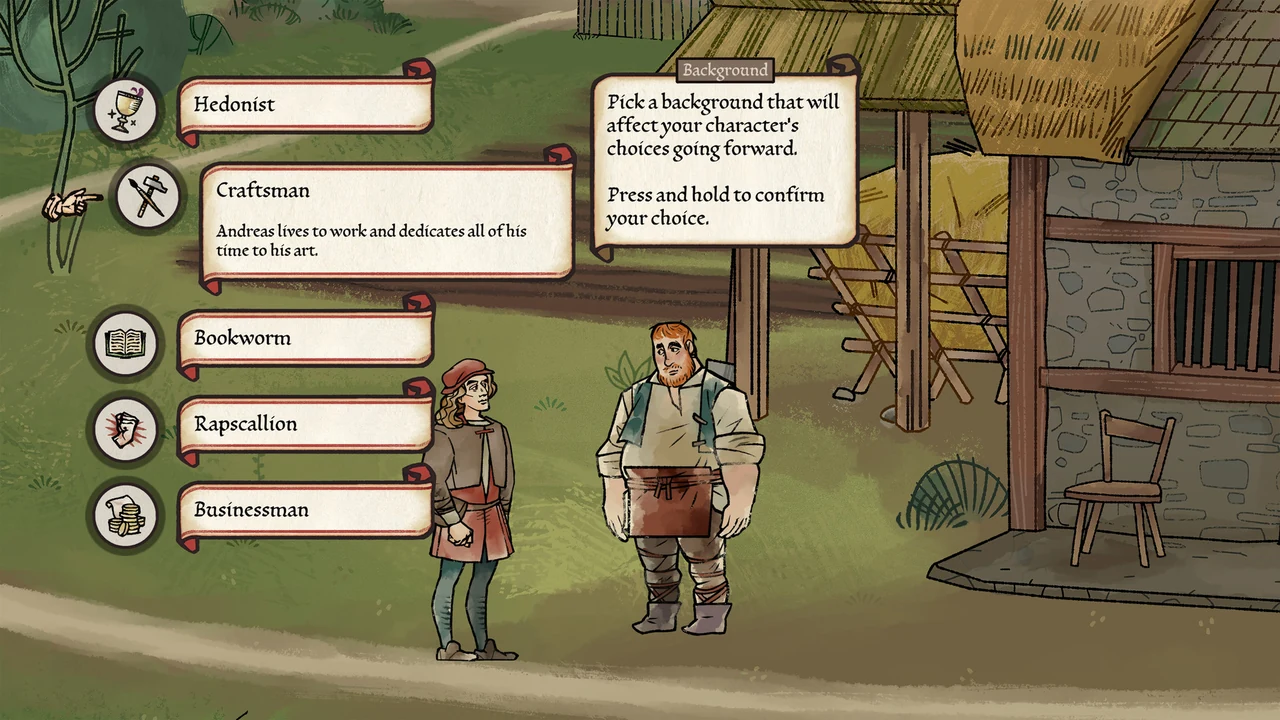
Pentiment introduces Andreas Maler through a place whose routines matter as much as its mystery. The abbey and surrounding community are filled with people who have work, beliefs and relationships before you arrive with questions. Choosing Andreas's background gives conversations different openings, establishing that investigation will depend partly on the person doing it. Time then becomes a practical limit on curiosity. Following one promising account can mean allowing another opportunity to pass, so collecting information is not an effortless sweep through every dialogue option. The early experience is therefore less about spotting a single hidden clue than deciding whom to listen to. That makes the historical setting active: social position and everyday obligations shape what people say, what they withhold and which assumptions initially sound plausible.
Why It Works
Pentiment's most effective move is to make interpretation feel consequential without pretending that interpretation is certainty. Accounts come from people with interests and attachments, and your attention helps determine which of those accounts gains weight. The visual treatment and typography strengthen the sense of a world assembled through writing, art and memory. Yet the human stakes remain legible beneath the historical detail: reputation, livelihood and loyalty influence how a conversation unfolds. The passage of time then gives earlier decisions a different perspective. A judgement is not only an answer to a case; it becomes something a community has to live around. This makes the narrative unusually good at connecting an individual conversation to a wider social picture without reducing every character to a convenient source of evidence.
Where It Stumbles
Players expecting a detective game to reward exhaustive work with an indisputable solution may struggle with Pentiment's priorities. Its limits on time and knowledge are not temporary obstacles that a perfect checklist will necessarily remove. The resulting uncertainty gives decisions weight, but it can also make a conclusion feel less mechanically satisfying than a tightly solved puzzle. There is substantial reading, and much of the pleasure depends on caring about conversations that do not immediately resemble progress towards a suspect. The deliberate pace leaves little action to break up an evening when concentration is low. Historical texture is a major attraction, yet it asks for willingness to meet unfamiliar terms and social arrangements. If you want rapid revelations above sustained attention to people, the balance will feel demanding.
Who Should Play It
Choose Pentiment when the next game you want is one to consider, discuss and remember through its people. It is especially well suited to readers who enjoy conflicting accounts and consequences that cannot be reduced to a simple good or bad response. The investigation provides momentum, but interest in the community is what makes that momentum worthwhile. Compared with a language puzzle, its difficulty lies less in establishing a correct vocabulary than in judging what another person means and why they might say it. Compared with an action adventure, conversation is the main activity rather than connective material. Come prepared to read carefully and live with incomplete knowledge. Those conditions allow Pentiment's historical setting to become a source of meaningful decisions rather than an attractive backdrop.
The verdict
Pentiment makes conversation a consequential activity by limiting whose account you can hear and when you can hear it. The strongest mystery is how a community turns incomplete knowledge into a lasting judgement.
Reasons to play
- Background choices give conversations a personal angle
- Limited time makes investigative priorities meaningful
- Historical detail connects ordinary life to larger tensions
Reasons to think twice
- Sustained reading is essential to the experience
- Uncertainty can frustrate players seeking a clean detective solution
See the game
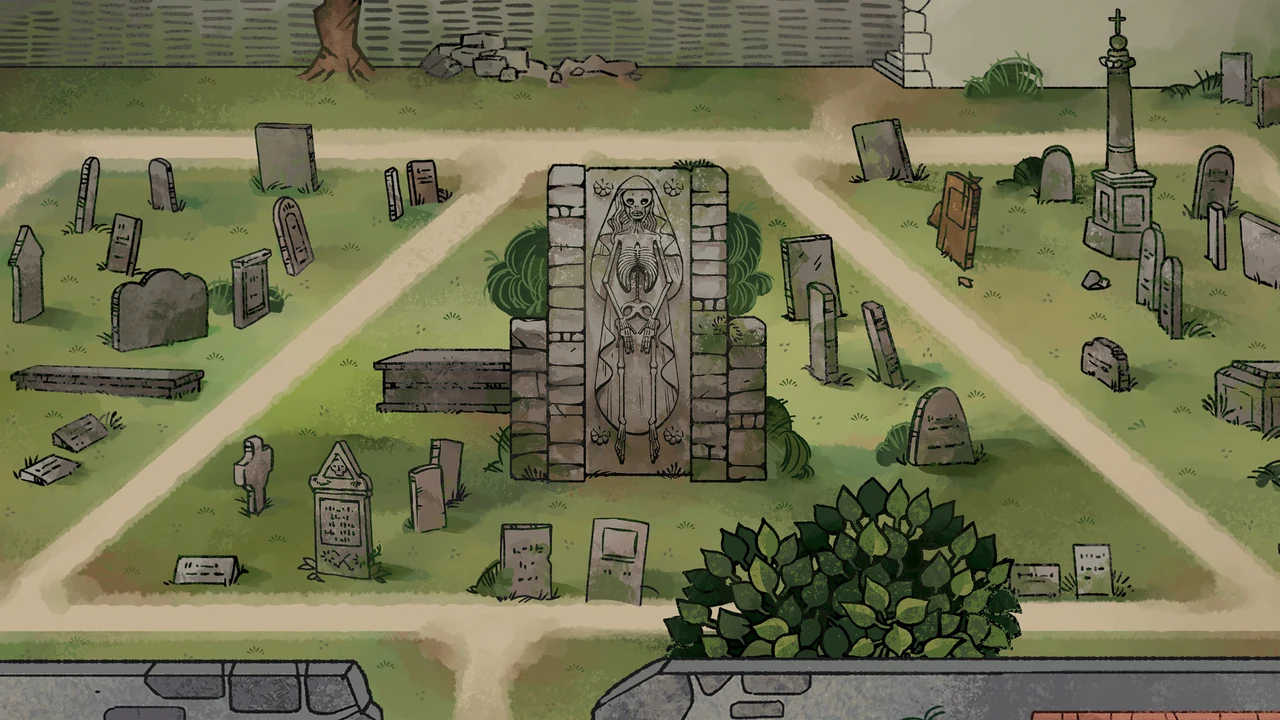
Assist & accessibility
Explore the available settings and control options on the official game page before choosing your setup.
Parents’ guide
Players: Single-player. No in-game purchase marker in the checked Steam listing. Separate downloadable content may be sold.
Age classification: 16. Bad Language Steam UK listing
A useful starting tip
Choose the lead that best fits your current reasoning instead of assuming every possible conversation must be exhausted first.
A different direction
Compare this with Chants of Sennaar: Chants of Sennaar turns uncertainty about words into the engine of an adventure. Its best discoveries come from correcting an assumption that once made perfect sense in a smaller context.
Official sources
Reviewed: November 2026
You might also like
 HadesRead review →
 CelesteRead review →
 Dead CellsRead review →